Solutions To Hair Loss In Women
"The emotional impact of hair loss in perimenopause and menopause should not be underestimated. Hair is closely tied to identity, femininity, and self-expression. So it IS an important change that deserves to be addressed."
- Dr. Janet
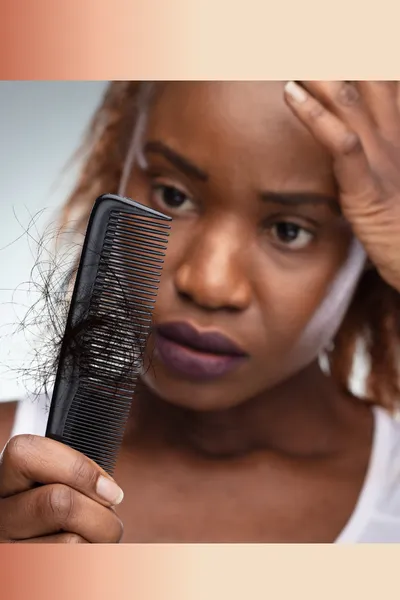
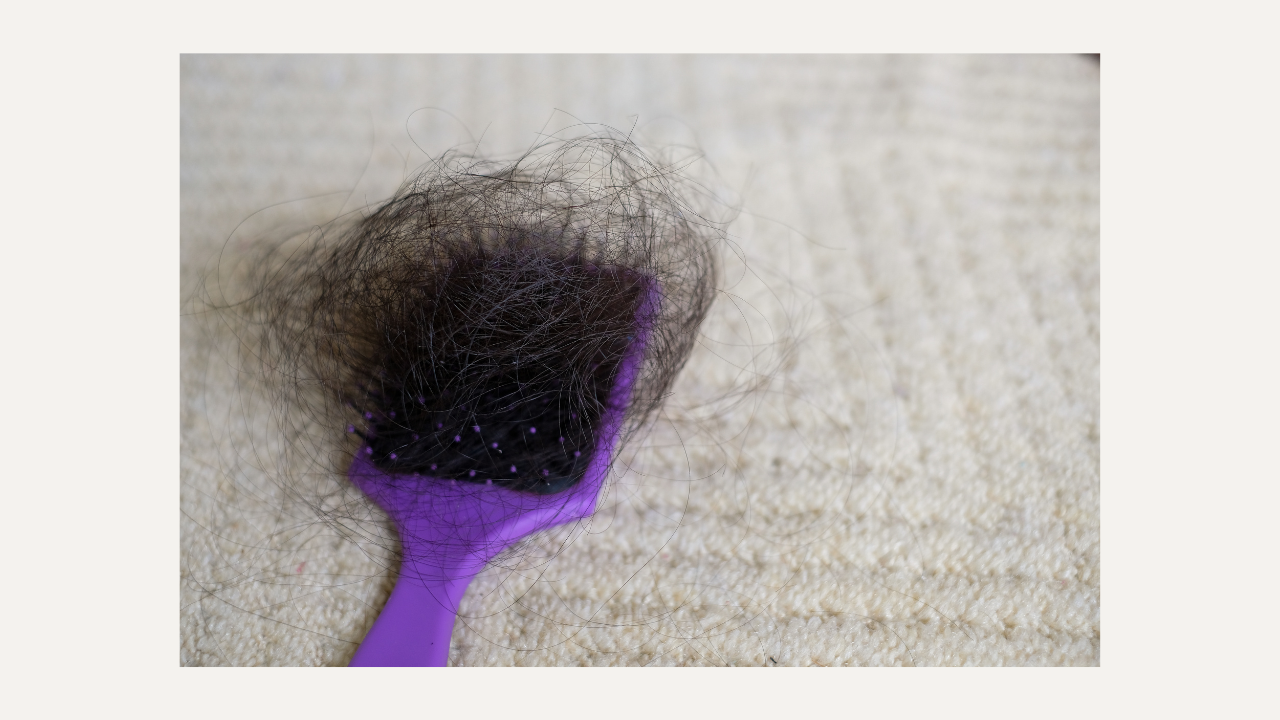
Hair loss in menopause is one of those symptoms that catches many women off guard. You may notice thinning hair at the crown, a widening part, or more strands in the shower drain. For professional women over 40, these changes can feel especially unsettling because they affect not just appearance, but confidence at work and in intimate relationships. While it’s easy to assume this is simply “aging,” hair loss in perimenopause and menopause is more complex and often tied to hormonal shifts, stress, and overall health.
One of the main drivers of hair thinning during menopause is the change in hormone balance. As estrogen levels decline, testosterone also decreases but at a slower rate. This creates a relative shift toward androgens, which can affect hair follicles in susceptible individuals. Estrogen is believed to play a protective role in maintaining hair growth, helping keep hair in the active growth phase longer. When estrogen drops, that protection may lessen, leading to shorter growth cycles and increased shedding. At the same time, androgens, particularly dihydrotestosterone (DHT), can contribute to follicle miniaturization, where hair strands become finer and weaker over time.
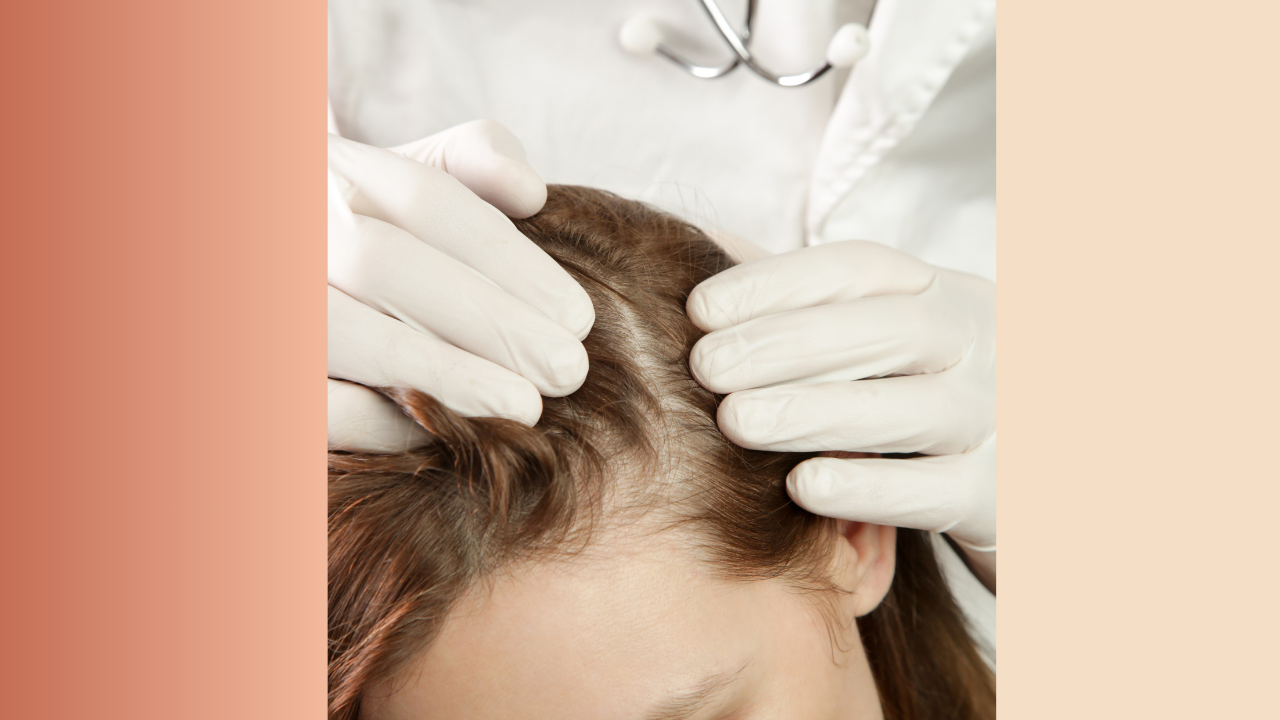
The most common type of hair loss seen in midlife women is female pattern hair loss (FPHL), also known as androgenetic alopecia. This typically presents as gradual thinning on the top and crown of the scalp, often with a widening center part while the frontal hairline remains intact. Unlike male pattern baldness, complete baldness is rare in women, but the thinning can still be significant. Another common condition is telogen effluvium, a form of temporary hair shedding that occurs after a physical or emotional stressor. This can include illness, surgery, weight loss, or chronic stress. In many cases, women experience both conditions at the same time, which can make the hair loss appear more sudden or severe.
The biology behind menopause hair loss comes down to changes in the hair growth cycle. Hair normally cycles through phases of growth (anagen), transition (catagen), and rest (telogen). In female pattern hair loss, the growth phase becomes shorter, and more hairs shift into the resting and shedding phases. Additionally, the hair follicles themselves shrink, producing thinner strands. Over time, this leads to decreased hair density and more visible scalp. There may also be a delay before new hair begins to grow after shedding, further contributing to the appearance of thinning.
It’s important to understand that menopause hair loss is not caused by hormones alone. Other factors can play a significant role, including thyroid disorders, low iron or ferritin levels, vitamin deficiencies, chronic illness, medications, and scalp inflammation. Environmental influences such as stress, sleep disruption, and even hair care practices can also affect hair health. This is why a thorough evaluation is important rather than assuming menopause is the only cause.
When it comes to treatment for hair loss in menopause, the primary goal is usually to slow progression and support regrowth where possible. Topical minoxidil is the only FDA-approved treatment for female pattern hair loss. It works by prolonging the growth phase of the hair cycle and increasing follicle size, which can help improve hair density over time. Results typically take several months, and some initial shedding may occur as part of the process.
Hormonal treatments are another option for some women. Antiandrogen medications such as spironolactone can block the effects of androgens at the hair follicle, helping reduce further thinning in women who are sensitive to these hormones. Finasteride, which reduces the conversion of testosterone to DHT, is also sometimes used off-label. These treatments are not appropriate for everyone and should be discussed with a healthcare provider.
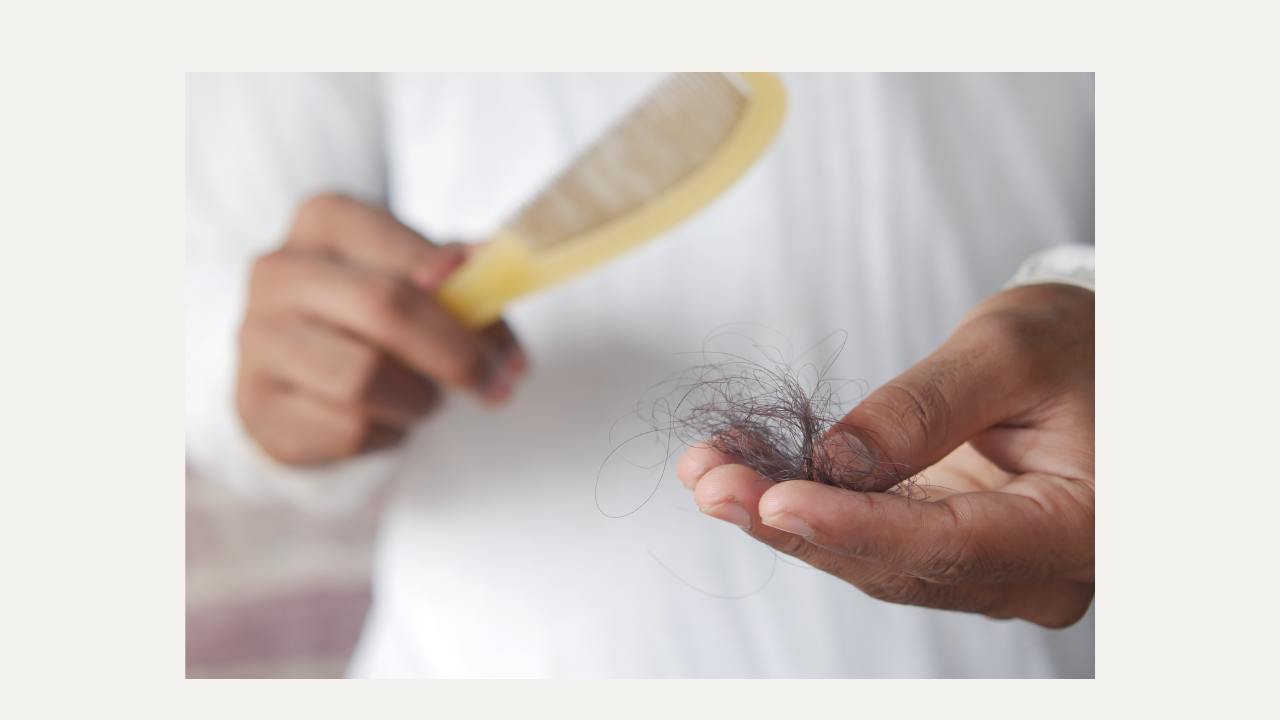
In addition to medical treatments, lifestyle and behavioral factors can support hair health. Managing stress is important, as chronic stress can trigger or worsen hair shedding. Ensuring adequate nutrition, including sufficient iron and protein intake, can help support the hair growth cycle. Gentle hair care practices, such as avoiding tight hairstyles and minimizing heat or chemical damage, can also protect fragile hair. Maintaining a healthy scalp environment is another key component, as inflammation and conditions like seborrheic dermatitis can contribute to hair loss.
Beyond the physical changes, the emotional impact of hair loss in menopause should not be underestimated. Hair is closely tied to identity, femininity, and self-expression. For many women, thinning hair can affect how they feel showing up in professional settings, influencing confidence, visibility, and leadership presence. It can also impact intimacy, altering how a woman feels about her attractiveness and connection with a partner. These psychological effects do not always correlate with the severity of hair loss, making it important to address both the physical and emotional aspects.
Ultimately, hair loss during perimenopause and menopause is common, but it is not something you have to ignore or accept without support. Understanding the underlying causes, exploring appropriate treatments, and making targeted lifestyle adjustments can make a meaningful difference. Most importantly, recognizing that these changes have solutions and you don't have to suffer in silence.
If you are a woman over 40 who is struggling …trying to find your way out of your menopause symptoms like thinning hair and low libido, and you desperately want to improve your libido, arousal and pleasure...please know...there is a better way!
Join me live to learn how you can get you best life back on track with the 3-Step System Helping Women Over 40 Reawaken Their Desire and Enjoy Deep, Fulfilling Intimacy Again 💫
👉🏾 Click this link: https://goodgroovegroup.com/live-registration
- Dr. Janet