
Is Hormone Therapy Safe?
Navigating Hormone Therapy: A Path to Wellness for Women Over 40
Introduction
Are you feeling overwhelmed by the conflicting information surrounding hormone therapy? It’s time to clear the confusion and uncover the truth about this treatment. Hormone therapy is often stigmatized as dangerous, yet understanding its benefits and risks could be pivotal for your well-being. For women navigating the tumultuous waters of perimenopause and menopause, hormone therapy might just be the answer you’ve been searching for. Let’s dive deeper into this much-debated topic and explore how hormone therapy could enhance your quality of life.

Understanding Hormone Therapy
When we discuss hormone therapy, we focus primarily on three hormones: estrogen, progesterone, and testosterone. Each plays a crucial role in women’s health, particularly during perimenopause and menopause. Estrogen, vital for numerous bodily functions, is the primary hormone healthcare professionals associate with menopause symptom relief. It significantly aids in reducing hot flashes, night sweats, and maintains various other bodily functions like temperature regulation, sleep, and mood stability.
For those with an intact uterus, progesterone is non-negotiable. It safeguards the uterine lining from potential overgrowth due to estrogen use. Modern specialists prefer micronized progesterone for its favorable safety profile, and its ability to promote restful, restorative sleep.
Benefits and Safety of Hormone Therapy
Hormone therapy is about preserving health, vitality, and overall quality of life. It not only curbs hot flashes and night sweats but also aids in maintaining bone density, reduces cardiovascular risks, and alleviates vaginal and urinary symptoms. For women under 60 or those within ten years of menopause, hormone therapy shows the most benefits.
But how can you determine if hormone therapy is safe for you? It involves a four-step evaluation:
1. Age and Menopause Timeline: Women under 60 or within 10 years of menopause often experience the most substantial benefits.
2. Contraindications: Consider any personal health conditions such as estrogen-sensitive cancers, heart disease, liver disease, or unexplained vaginal bleeding.
3. Heart Health Assessment: Evaluations of cholesterol levels, blood pressure, and lifestyle habits are essential in determining suitability.
4. Breast Health: Ensure that you are up-to-date with breast cancer screenings before starting therapy.
Exploring Different Forms of Hormone Therapy
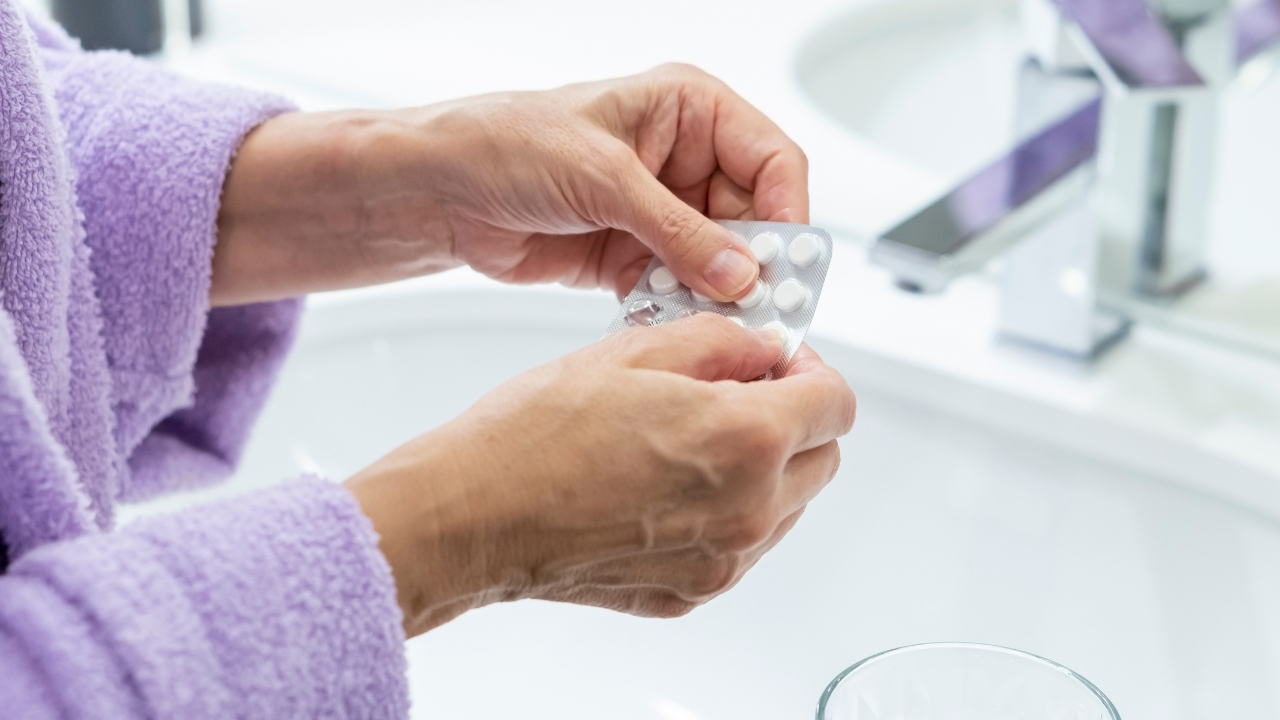
The administration of hormones comes in various forms. Estrogen can be taken orally, applied as a patch, gel, or spray, or used vaginally for localized issues. Progesterone is typically taken orally but can also be administered through devices like an IUD. Transdermal estrogen, paired with oral micronized progesterone, is highly recommended due to its minimized clot risk and enhanced stability.
Common Concerns and Misconceptions
One prevalent concern is the risk of breast cancer. Despite past studies indicating increased risk, recent findings suggest that hormone therapy, especially with estrogen alone, does not pose the significant risk once feared and may even lower breast cancer risk in some cases.
Additionally, hormone therapy isn’t explicitly prescribed to boost libido, but many women report improvement in desire and sexual wellbeing due to decreased stress and inflammation.
The Role of Testosterone
Testosterone therapy, though off-label for women, is gaining traction as an option for improving sexual desire. Administered in much lower doses compared to men, careful monitoring ensures safety and effectiveness for post-menopausal women.
Beyond Hormones: The Bigger Picture
It’s important to recognize that libido and intimate interest transcend hormones. These feelings are impacted by biological, psychological, and social factors. By integrating hormone therapy with comprehensive mental and community support, women can experience a revitalization of vitality and sensation.
Conclusion
As you journey through the hormonal changes of your 40s and beyond, there’s no need to endure discomfort or a diminished quality of life. Hormone therapy, when used appropriately, can be a powerful tool. Combine it with mental and social support, and you’ll not only rediscovering yourself, but you'll also design a vibrant, empowered new version of you.
If you’re over 40 and ready to reclaim your health and pleasure....
...Join me live to learn how you can get you best life back on track with the 3-Step System Helping Women Over 40 Reawaken Their Desire and Enjoy Deep, Fulfilling Intimacy Again 💫
👉🏾 Click this link: https://goodgroovegroup.com/live-registration
- Dr. Janet