
Four Of The Best Supplements For Women Over 40
“Your body may actually be low in key nutrients and those deficiencies can show up in ways that look almost identical to menopause symptoms! .” - Dr. Janet
If you’re a woman over 40 and you've been dealing with fatigue, brain fog, low mood, or even dry skin lately, it’s easy to assume one thing: this must be perimenopause or menopause.
And yes, perimenopause and menopause absolutely bring changes that can affect your energy, your mood, your sleep, and your body overall.
But, sometimes what feels like a hormonal issue… isn’t hormonal at all.
In many cases, your body may actually be low in key nutrients and those deficiencies can show up in ways that look almost identical to menopause symptoms.
That’s why it’s so important to take a step back and look at the full picture. Because when you support your body at the foundational level, everything else becomes easier to navigate.
Let’s walk through four of the best supplements for women over 40 and how they may be impacting the way you feel right now.
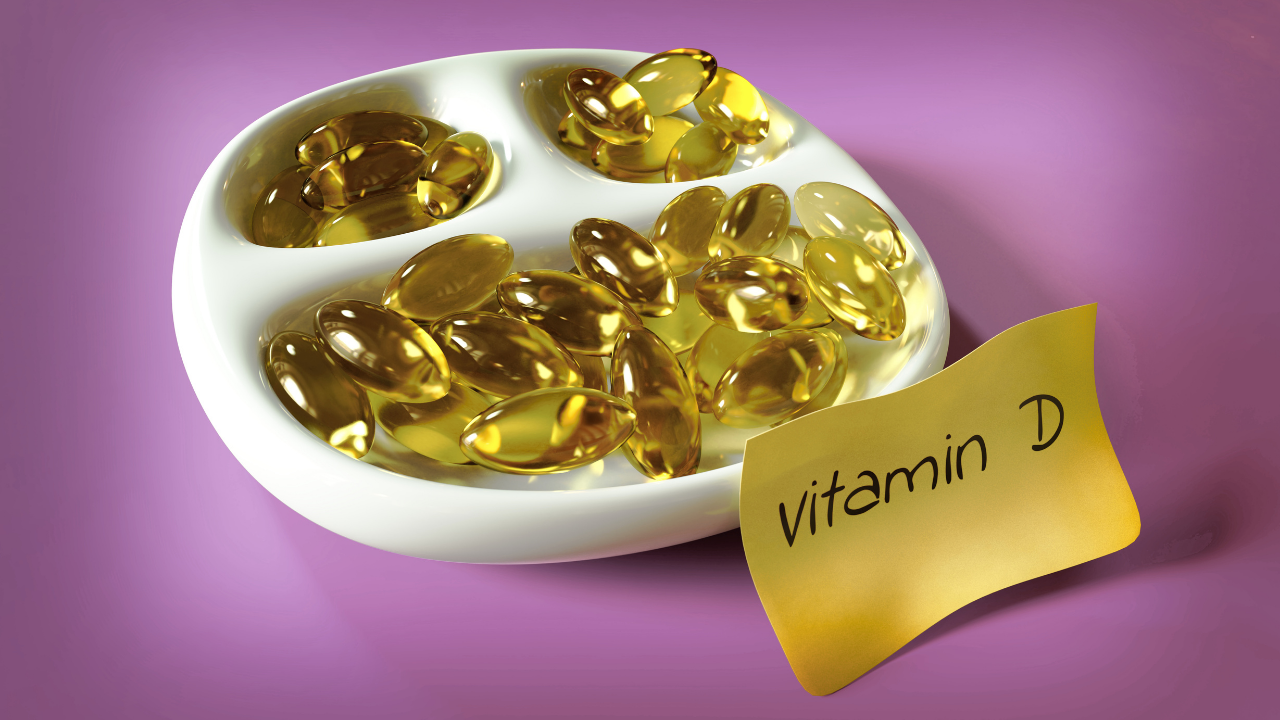
1. Vitamin D: The Overlooked Energy and Mood Regulator
Vitamin D is often called the “sunshine vitamin,” but despite that name, many women, especially in midlife, are not getting enough of it.
And for black and brown women, this becomes even more important. Melanin, while beautiful and protective, also reduces the skin’s ability to absorb sunlight efficiently. That means even if you spend time outdoors, your vitamin D levels may still be lower than expected.
What makes this tricky is how vitamin D deficiency shows up.
It’s not always obvious. It can look like fatigue that lingers no matter how much you rest. It can feel like your mood is just a little off, or like your motivation has just vanished. You might notice changes in your skin like dryness, irritation, or even flare-ups like eczema. Some women experience muscle aches, hair thinning, or frustrating mental fog where it’s hard to concentrate.
And if you pause and think about that for a second...
You might notice that those are the same symptoms many women attribute to perimenopause.
So it may not just be hormones, it may also be that your body simply doesn’t have enough of what it needs to function properly.
This is why getting your vitamin D levels checked can be such a powerful first step. It gives you real information about what’s happening inside, instead of guessing.
2. Omega-3 Fatty Acids: Supporting Your Heart, Brain, and Desire
Omega-3 fatty acids are one of those things we know are “good for us,” but most of us aren’t getting enough consistently.
These healthy fats play a role in supporting heart health, brain function, joint comfort, and even the health of your skin. But there’s another benefit that doesn’t get nearly enough attention.
Omega-3s help support healthy blood flow.
And blood flow is directly connected to arousal and libido.
So if you’ve noticed a shift in your desire or responsiveness, this isn’t just about hormones either. Circulation matters. The health of your blood vessels matters. And the nutrients you’re taking in can influence that more than you might think.
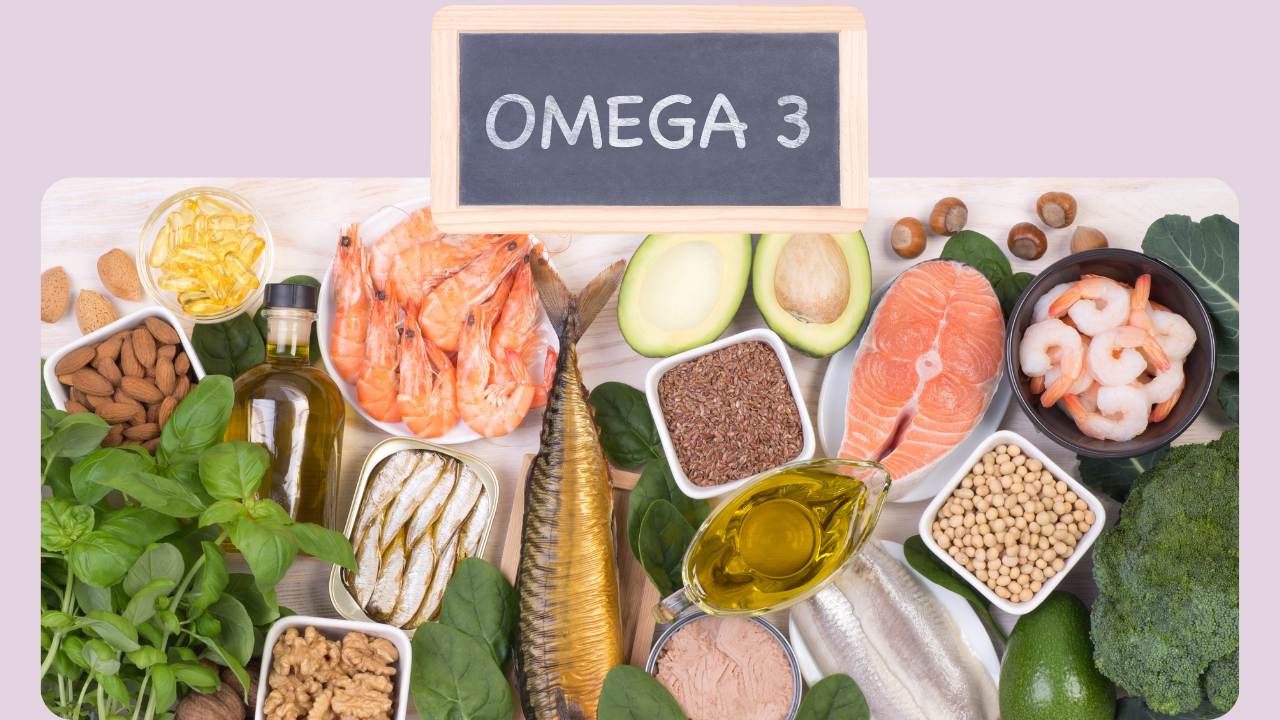
In an ideal world, you’d get enough omega-3s through your diet, foods like salmon, sardines, flaxseeds, and walnuts are great sources. But let’s keep it real. Most of us are not consistently eating enough of these foods to meet our needs.
That’s where supplementation can be helpful. It fills in the gaps and supports your body in a way that aligns with what it’s trying to do naturally.
And yes, who knew something like walnuts could play a role in your sensual health?
3. Magnesium: Your Body’s Natural “Calm Down” Support
Magnesium is one of those quiet, essential minerals that does a lot behind the scenes.
It supports relaxation, sleep, muscle function, and stress regulation. And if you’ve been feeling wired, tense, or unable to fully rest, magnesium may be part of the conversation.
Here’s the thing. Your body uses up magnesium more quickly when you’re under stress. And in midlife, between work, family, responsibilities, and everything else, most women are carrying a significant amount of stress, whether they realize it or not.
When magnesium levels drop, the effects can show up in ways that feel very familiar. Sleep becomes more disrupted. You may find it harder to fall asleep or stay asleep. Your muscles might feel tight or achy. Digestion can slow down, leading to constipation. Even your overall sense of calm can feel harder to access.
Again, these symptoms overlap almost perfectly with what we see during perimenopause and menopause.
What’s helpful to know is that magnesium isn’t just one thing. There are different forms, and each one has slightly different benefits. Some types are better for sleep and relaxation, while others support digestion or cognitive function.
This is where being intentional matters. It’s not just about taking magnesium, it’s about taking the right type for what your body needs.
4. Probiotics: Gut Health, Hormones, and the Bigger Picture
By the time you reach your 40s, your gut health starts to play an even more important role in how you feel overall.
During perimenopause and menopause, hormonal shifts don’t just affect your reproductive system, they also impact your gut microbiome.
This can show up as increased bloating, changes in digestion, constipation, and that stubborn weight gain around the midsection that seems to come out of nowhere.
And it’s frustrating, because it doesn’t always respond to the same things that used to work before.
One probiotic that’s getting more attention right now is Akkermansia. It’s a beneficial bacteria that plays a role in metabolic health and helps regulate GLP-1, a hormone involved in appetite, blood sugar, and weight management.
But beyond weight and digestion, your gut has a direct connection to your brain.
This is what we call the gut-brain axis.
The bacteria in your gut influence your mood, your energy levels, and even inflammation in the body. So when your gut is out of balance, you may feel it not just physically, but emotionally as well.
And once again, the symptoms can look a lot like menopause.
That’s why supporting your gut health isn’t just about digestion, it’s about your overall well-being.
It’s Not “Just Hormones”...It’s a Combination
One of the biggest takeaways I want you to get from this blog post is that what you’re experiencing is rarely just one thing.
Yes, hormones may be changing. That is real.
But alongside that, your may also be low on some key nutrients, responding to chronic stress and adjusting to changes in metabolism and digestion.
All of these layers interact with each other. So when you approach your body more holistically and look at nutrients, lifestyle, stress, and hormonal changes together, then you create a completely different experience.
A Quick Word Before You Start Supplementing
Supplements can be incredibly helpful, but they’re not meant to replace medical care or personalized guidance.
Before starting anything new, it’s always a good idea to check in with your healthcare professional. You want to make sure what you’re taking is appropriate for your specific needs, especially if you have any underlying conditions or are taking medications.
The goal here isn’t to guess.
It’s to support your body intentionally.
Supporting Your Body So You Can Feel Like Yourself Again
When your body has what it needs, things start to shift.
Energy becomes more stable. Sleep improves. Your mind feels clearer. Your mood feels more balanced. And yes—even your sense of sensuality and connection to your body can begin to return.
These changes don’t always happen overnight. But they do happen when you give your body consistent, thoughtful support.
Vitamin D. Omega-3s. Magnesium. Probiotics.
Simple, foundational, and powerful when used appropriately.
Ready to Go Deeper?
If you are a woman over 40 and you are experiencing poor sleep, low libido, mood changes and just not feeling like your self and you are ready understand what’s happening in your body and get your desire, libido and sensual health back on track...
Register here for the 👉🏾 Next Live Get Your Groove Back Masterclass
This is where we go beyond supplements and start connecting the dots between your body, your mind, and your sensuality.
Because you deserve more than just getting through this phase.
You deserve to feel good in your body again, energized, and fully connected to yourself.
See you soon!
- Dr. Janet
Register here 👉🏾 Next Live Get Your Groove Back Masterclass